
Credit Guides
How the 45Z GREET model (45ZCF-GREET) scores fuel emissions, turns them into a 45Z credit, and what Notice 2026-53 and the 2026 model updates changed.
Author -
Paulestini Francois
Published -
READ TIME
Your 45Z clean fuel credit, a Production Tax Credit (PTC), depends on one number: the emissions rate the 45ZCF-GREET model assigns your fuel. Here's how the model works, how its result becomes cents per gallon, and what changed with the 2026 model updates and IRS Notice 2026-53.
QUICK ANSWER
45ZCF-GREET is the Department of Energy model that calculates a fuel's lifecycle emissions rate for the 45Z clean fuel credit, in kg CO2e per mmBtu. The credit equals $1.00 per gallon with prevailing wage times (50 minus the rate) divided by 50, rounded to the nearest 0.1.
KEY FACTS
What does 45ZCF-GREET stand for? The DOE GREET lifecycle model adapted for the 45Z clean fuel credit (CF = clean fuel).
What is the 45Z GREET emissions rate? A fuel's lifecycle emissions in kg CO2e per mmBtu; at 50 or more, the 45Z credit is zero.
How is the 45Z emissions factor calculated? (50 minus the emissions rate) divided by 50, rounded to the nearest 0.1.
What is the latest 45ZCF-GREET version? A September 2026 update, released alongside IRS Notice 2026-53 and its 2026 emissions rate table.
What is FD-CIC? USDA's Feedstock Carbon Intensity Calculator for farm practices; a 2026 version is built into 45ZCF-GREET.
Does 45Z GREET include indirect land use change? No, not for fuel produced after 2025; older model versions must be adjusted to remove it.

What is the 45ZCF-GREET model?
45ZCF-GREET is the Department of Energy’s version of the GREET lifecycle model built for the 45Z clean fuel production credit. It calculates a fuel’s emissions rate in kilograms of CO2e per mmBtu, from farming the feedstock through production. That rate sets the 45Z credit per gallon.
GREET stands for Greenhouse gases, Regulated Emissions, and Energy use in Technologies. DOE hosts the model, user manual and change logs on its GREET page.
Producers of ethanol, biodiesel, renewable diesel, sustainable aviation fuel and renewable natural gas use it to find their rate, either from the IRS table or by running their own facility data through the model.
Which version of 45ZCF-GREET applies in 2026?
DOE released the first 45ZCF-GREET in January 2025 and has revised it several times, including a June 2026 update that added a corn wet mill ethanol pathway and a September 2026 update released alongside IRS Notice 2026-53. The notice sets the 2026 emissions rate table and explains which versions apply to 2025 and 2026 fuel.
KPMG flagged the June 2026 revised model, which added the wet mill pathway and fixed a corn stover calculation. The IRS issued Notice 2026-53 on September 8, 2026.
Under the notice, any older model version used for fuel produced after 2025 must be adjusted to strip out indirect land use change emissions, Holland & Knight reports.
How does 45ZCF-GREET calculate an emissions rate?
The model adds up emissions across a fuel’s lifecycle: growing or collecting the feedstock, transporting it, converting it to fuel at the plant, and distributing the fuel. Producers enter facility data such as energy use and carbon capture, and the model returns one emissions rate in kg CO2e per mmBtu.
Feedstock and plant energy usually dominate. A corn ethanol plant running on natural gas scores very differently from one using renewable power or capturing its fermentation CO2.
For an example, a farmdoc daily analysis paired a cover-crop corn feedstock score of 21.68 kg with an assumed 20 kg for the rest of the system, for a total of 41.68 kg CO2e per mmBtu.
How does the emissions rate become a 45Z credit?
The emissions factor equals 50 minus the emissions rate, divided by 50, rounded to the nearest 0.1. The credit is $1.00 per gallon with prevailing wage, or $0.20 without, times that factor and adjusted for inflation. A 41.68 kg rate rounds to a 0.2 factor, worth $0.20 a gallon before inflation.
Those rules come from 26 U.S.C. 45Z(b). Fuel at 50 kg or above earns nothing, and the rounding means the credit moves in 10% steps. Because the 45Z PTC is paid per gallon sold, a 100 million gallon plant at a 0.2 factor earns about $20 million a year before inflation adjustments.
That makes small improvements valuable near a step: in the farmdoc example, cutting about 4 kg would lift the factor from 0.2 to 0.3. Try your own pathway in the calculator below.
The factor rounds to the nearest 0.1, so cutting about 4.2 kg more lifts it to 0.3 and adds $0.10 per gallon.
Illustrative only. Your emissions rate comes from the 45ZCF-GREET model or the Notice 2026-53 table; defaults for fuels other than corn ethanol are placeholders, not published rates. Amounts are before the annual inflation adjustment and apply to fuel sold through 2029. Confirm with your tax advisor.
What changed for 45Z and GREET in 2026?
The One Big Beautiful Bill Act removed indirect land use change from emissions rates for fuel produced after 2025, extended 45Z to fuel sold through 2029, ended the separate sustainable aviation fuel rate, and limited feedstocks to the U.S., Mexico and Canada. Notice 2026-53 then added manure and farm-practice guidance.

Dropping indirect land use change helps crop-based fuels most, since that emissions charge often pushed corn ethanol and soybean fuels close to the 50 kg cutoff. Our 45Z tax credit guide and 45Z proposed regulations summary cover the rest of the law.
What is the USDA Feedstock Carbon Intensity Calculator?
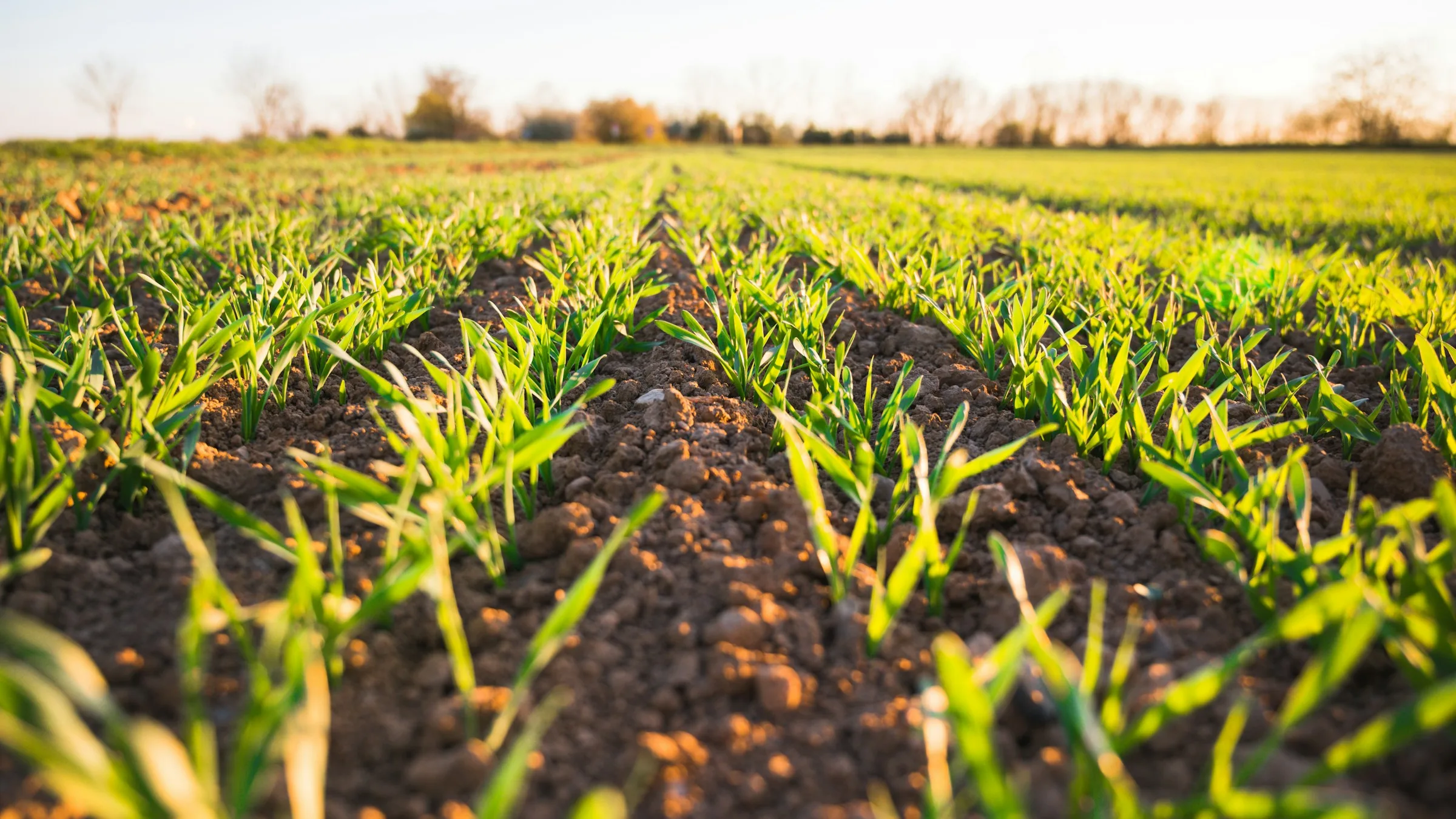
The Feedstock Carbon Intensity Calculator (FD-CIC) is a USDA tool that scores farm-level practices such as cover crops, reduced tillage and nutrient management. The September 2026 45ZCF-GREET includes a 2026 version, so producers buying feedstock from farms that adopt those practices can lower their emissions rate.
USDA released FD-CIC version 1.0 on June 25, 2026, according to farmdoc daily. Holland & Knight notes producers may also use the 2026 calculator for 2025 fuel if USDA’s technical guidelines are met, with nutrient inputs substantiated.
For farmers, the value is shared through feedstock premiums rather than the credit itself, since the fuel producer claims 45Z.
How do manure and RNG pathways work in 45ZCF-GREET?
Notice 2026-53 added dairy and swine manure as primary feedstocks in the 2026 emissions rate table, with poultry and beef manure expected later. Fuel from animal manure is the only kind allowed a negative emissions rate, so manure RNG can earn more than the $1.00 per gallon cap other fuels face.
The September model also added RNG pathways for food scraps, corn stover, grain stillage and mixed organic wastes, alongside landfill gas and wastewater sludge, per Holland & Knight. Farms may use a farm-specific alternative fate for manure storage such as uncovered lagoons, with substantiation. See our renewable natural gas guide for the full revenue stack.
Rounding creates the steps: anything above 47.5 kg rounds to a zero factor, while 2.5 kg of improvement can be worth 10 cents a gallon with prevailing wage.
Before the annual inflation adjustment, for fuel sold through 2029. Example rate from farmdoc daily (July 31, 2026). Sources: 26 U.S.C. 45Z; IRS Notice 2026-53.
What if your fuel isn’t in the emissions rate table?
If a fuel pathway isn’t covered by the 2026 table or 45ZCF-GREET, the producer can request a provisional emissions rate through an emissions value request with DOE and Treasury. Until one is issued, that fuel has no published rate and can’t claim 45Z.
Holland & Knight notes the notice keeps the emissions value request and provisional emissions rate process for new pathways. Producers with unusual feedstocks or processes should start early, since reviews take time.
Keep the documentation behind every input you enter in the model, including energy bills, feedstock records and any carbon capture data. The IRS can ask for it, and buyers of 45Z credits will review it during diligence before they sign a purchase agreement.
How is 45ZCF-GREET different from 45VH2-GREET?
Both are DOE versions of GREET built for one credit. 45ZCF-GREET scores transportation fuels for the 45Z credit in kg CO2e per mmBtu, while 45VH2-GREET scores hydrogen for the 45V credit in kg CO2e per kg of hydrogen. Neither is the same as California’s CA-GREET used for the Low Carbon Fuel Standard.
A facility can’t stack the credits: 45Z isn’t allowed for fuel from a facility claiming 45V or 45Q that year. Our 45VH2-GREET guide covers the hydrogen model, and our e-fuels guide compares 45V and 45Z for synthetic fuels.
Sources
U.S. DOE, GREET and 45ZCF-GREET; KPMG, DOE releases revised 45ZCF-GREET model (June 2026)
IRS, IRS issues notice on 45Z clean fuel production tax credit (Notice 2026-53)
Holland & Knight, Section 45Z 2026 Emissions Rate Table and Updated GREET Model Published (2026)
farmdoc daily, The Clean Fuel Production Tax Credit (45Z), Part 3: Reviewing the Potential Value (July 31, 2026)
26 U.S.C. 45Z, Clean fuel production credit
Frequently Asked Questions
What is the 45Z GREET model?
It's 45ZCF-GREET, the Department of Energy's lifecycle emissions model for the 45Z clean fuel production credit. It calculates a fuel's emissions rate from feedstock through production, which sets the credit per gallon.
How do I get a 45Z emissions rate?
What emissions rate is needed for the 45Z credit?
Did the One Big Beautiful Bill change 45ZCF-GREET?
Can Cenet Capital help sell 45Z credits?
Know your 45Z rate? Turn it into cash
Cenet Capital helps fuel producers translate their 45ZCF-GREET emissions rate into credit value and sell 45Z credits to corporate tax buyers. Tell us your fuel, feedstock and annual volume.

More Insights


