

The 30C EV charger credit ended June 30, 2026, but Form 8911 still matters if you installed before then. Here's how to file, and what to do if you can't use it.
Author -
Paulestini Francois
Published -
READ TIME
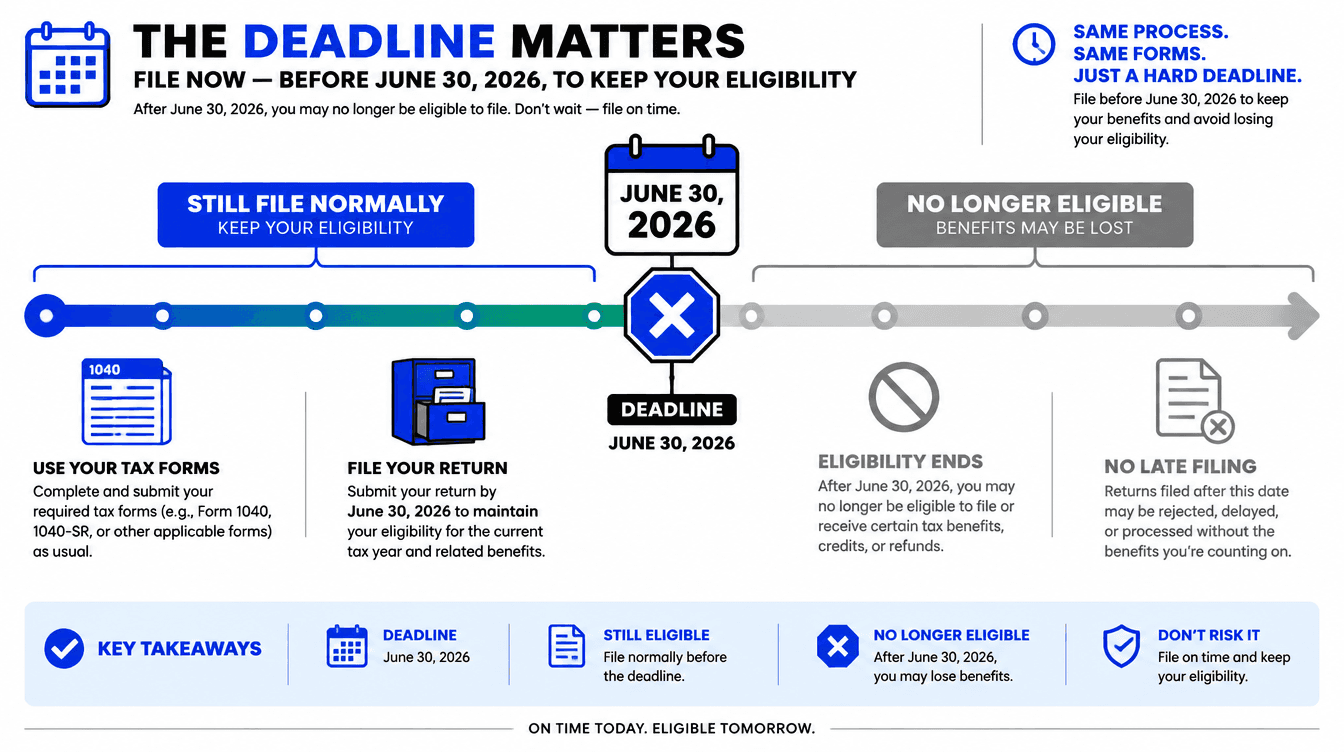
Section 30C, the federal tax credit for EV charging and other alternative fuel refueling property, stopped applying to property placed in service after June 30, 2026. If your charger went in before that date, the credit didn't disappear with the deadline you still claim it on Form 8911, and there's a real chance you can sell it if you can't use it. Here's how the form actually works, what the credit is worth, and what your options are now that the window has closed.
What is Form 8911 and who needs to file it?
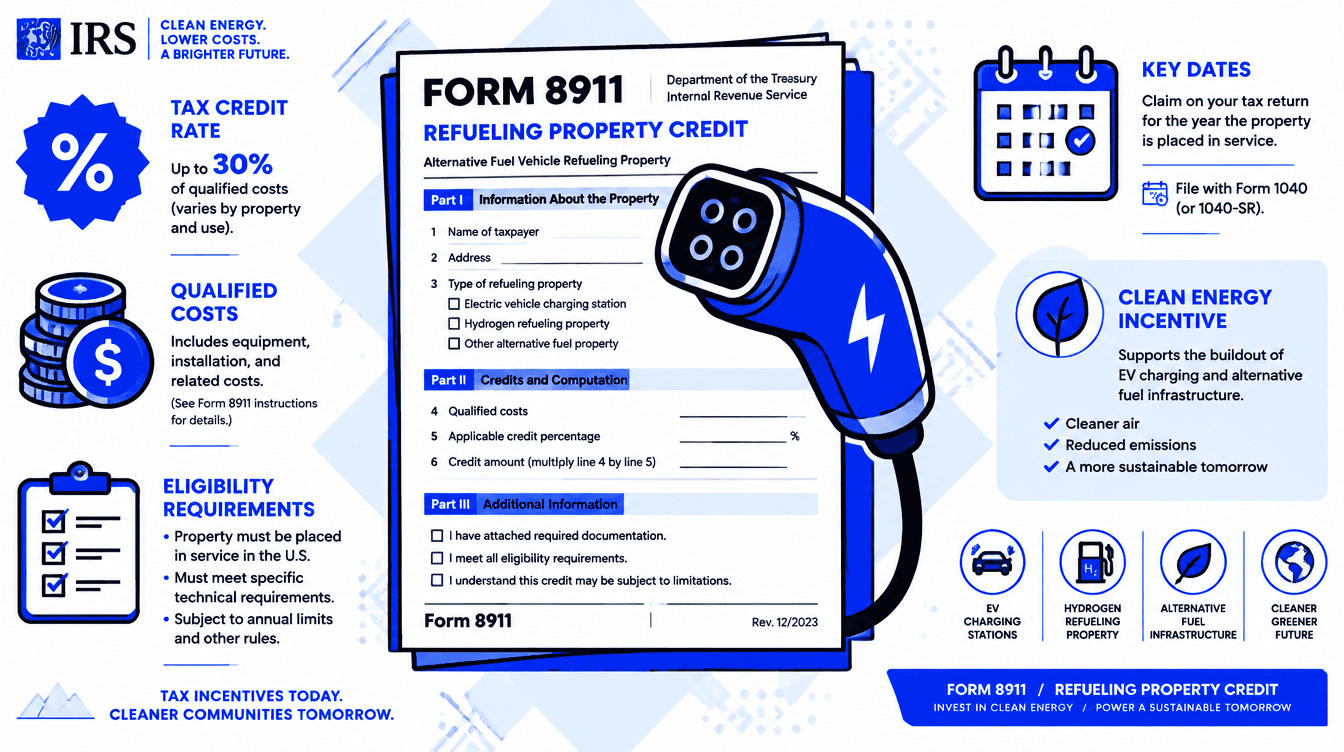
Form 8911 is the IRS form used to claim the Section 30C Alternative Fuel Vehicle Refueling Property Credit the credit for the cost of installing EV chargers or other alternative fuel refueling equipment and it's required whether you're an individual claiming a home charger or a business claiming a commercial installation. The IRS's own Form 8911 instructions require a completed Schedule A (Form 8911) for each piece of qualifying property, covering everything from the placed-in-service date to the property's census tract identifier.
How much is the 30C tax credit actually worth?
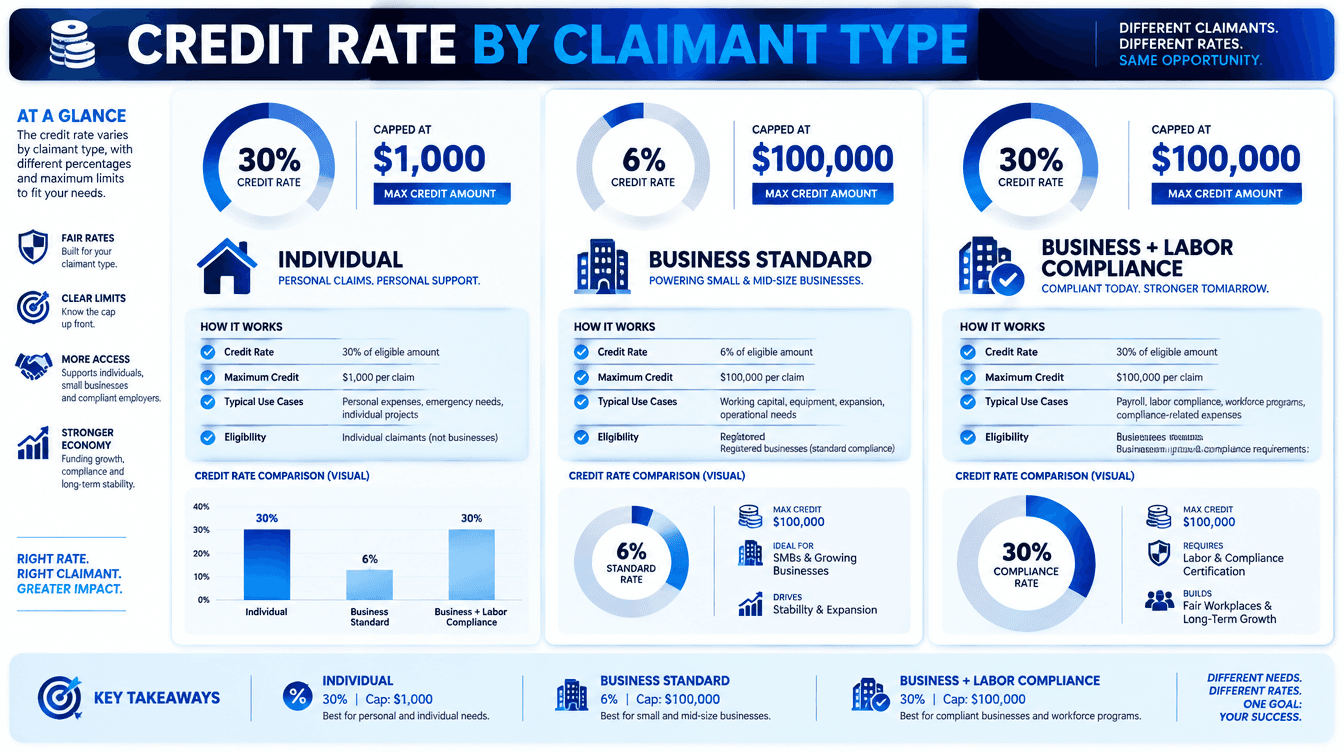
Individuals can claim 30% of the cost of a home charger up to $1,000, while businesses claim a base rate of 6% up to $100,000 per item — unless the installation meets prevailing wage and apprenticeship requirements, in which case the business rate rises to 30% with the same $100,000 cap. Per the IRS's Alternative Fuel Vehicle Refueling Property Credit page, the credit is "30% of the cost of the property up to a maximum credit of $1,000 per item" for individuals, and "6% of the cost of the property up to a maximum credit of $100,000 per item" for businesses, with the higher rate available when labor requirements are met.
Claimant | Base rate | With prevailing wage + apprenticeship | Per-item cap |
|---|---|---|---|
Individual (home charger) | 30% | Not applicable | $1,000 |
Business (standard) | 6% | 30% | $100,000 |
That 6%-to-30% structure is the same 5x labor-compliance multiplier used in the commercial solar investment tax credit — if you've already run that math for a solar project, the 30C mechanics will look familiar.
Does your charger's location actually qualify?
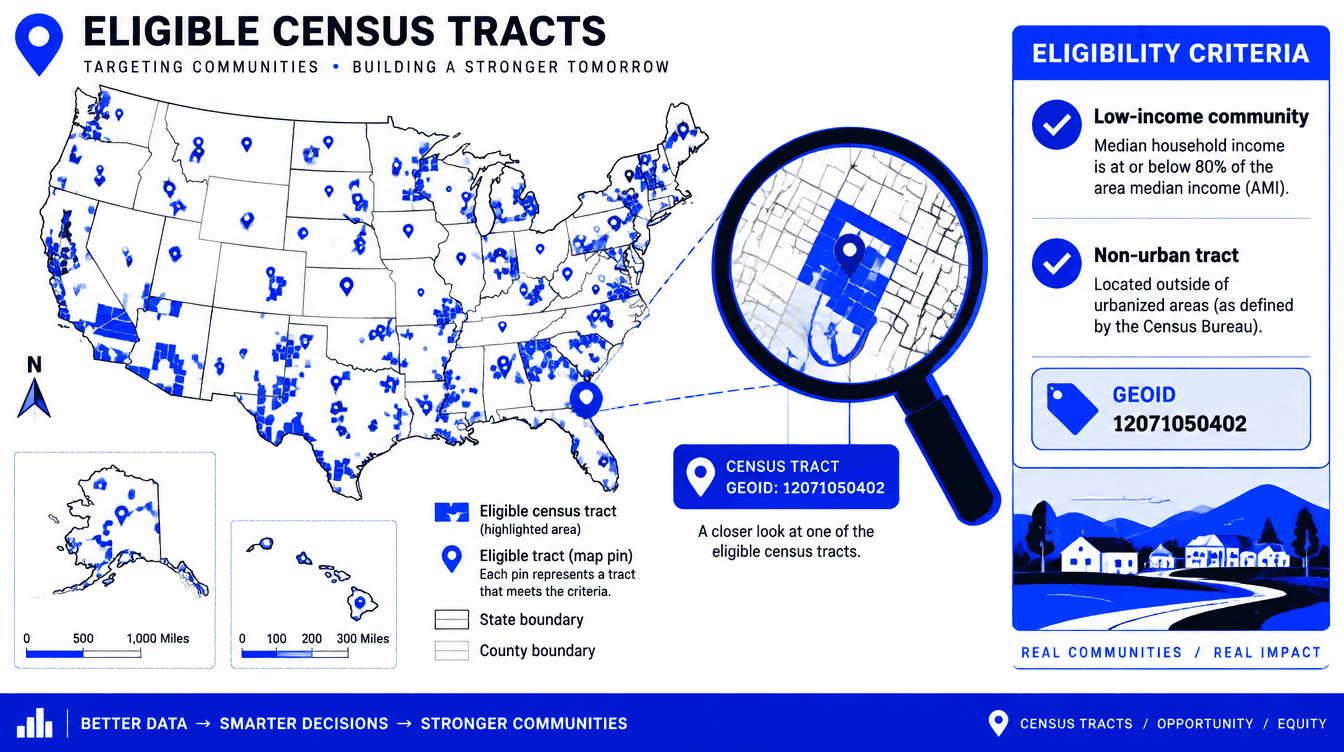
Property placed in service after 2022 only qualifies for 30C if it's installed in an eligible census tract specifically a low-income community or a non-urban census tract, verified against the Census Bureau's own mapping data. The instructions state plainly that "property placed in service after 2022 will not be treated as qualified alternative fuel vehicle refueling property unless it was placed in service in an eligible census tract," and the exact identifier you use depends on timing: the 2015 Census Tract Identifier and Appendix A for property placed in service before January 1, 2025, or the 2020 identifier and Appendix B afterward.
What information do you need to fill out Form 8911?
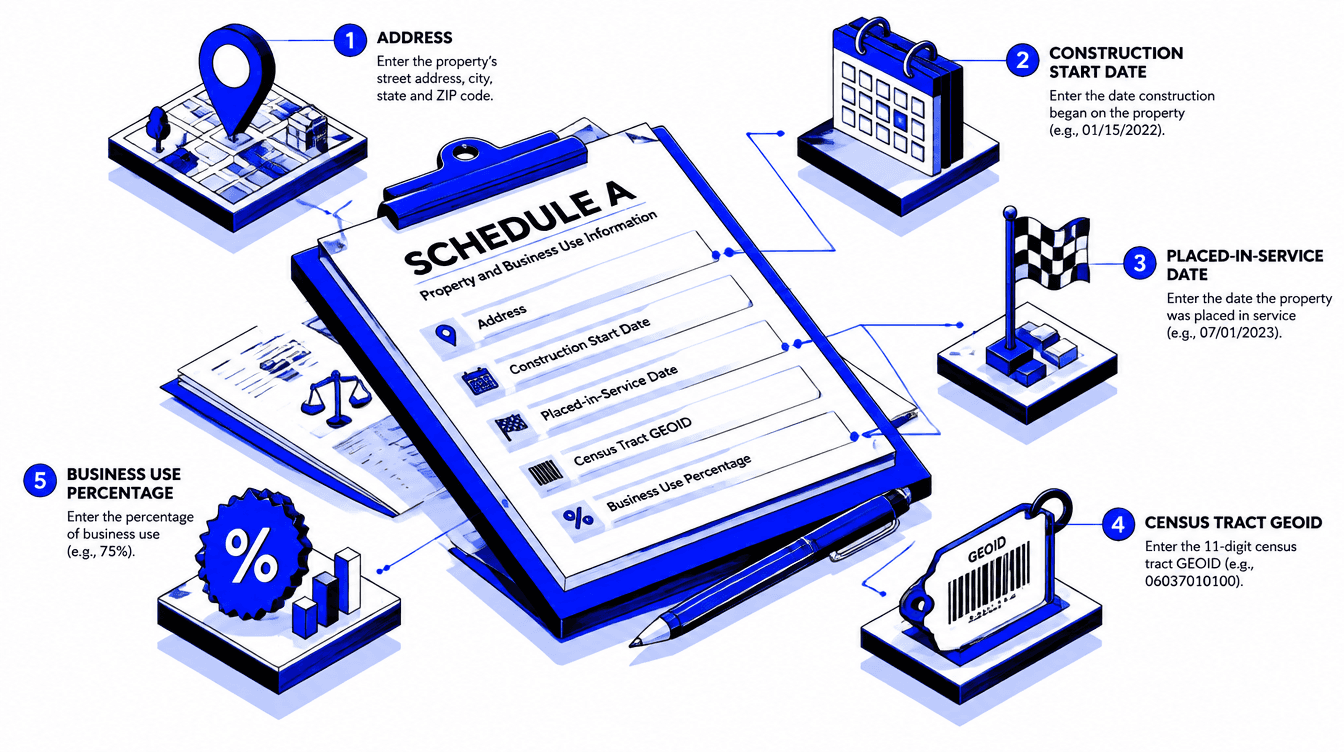
Schedule A (Form 8911) asks for the property's address and coordinates, its construction start date, its placed-in-service date, its 11-digit census tract GEOID, and for businesses whether prevailing wage and apprenticeship requirements were met. The instructions define "placed in service" simply as when the property is "ready and available for a specific use, regardless of whether or not it is actually used at the time," and note that the property's cost basis must be reduced by any Section 179 deduction already taken on it, and reduced again by the credit amount itself once claimed.
Can a business sell a 30C credit it can't fully use?
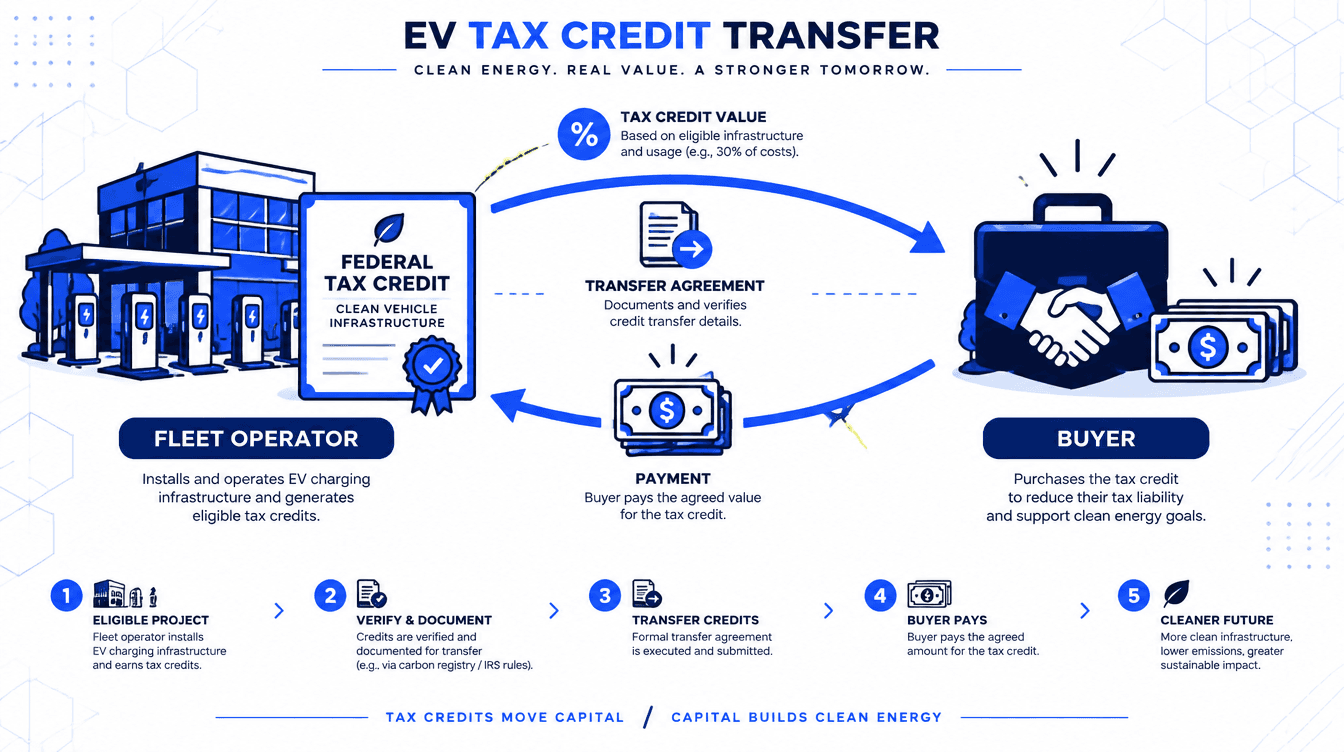
Yes Section 30C is one of the credits eligible for transfer under Section 6418, so a business without enough tax liability to absorb the full credit can sell it to an unrelated buyer for cash instead of carrying it forward. The IRS's own transferability FAQ lists "Credit for Alternative Fuel Vehicle Refueling/Recharging Property (30C), (Form 8911, Part II)" directly among the eligible transferable credits. Illustrative example: A hypothetical fleet operator that installed several dozen chargers across multiple sites before the deadline could generate more 30C credit than its own tax bill for the year can use. Rather than carrying the excess forward, it could transfer that unused credit to an unrelated buyer for cash. This is a generic illustration of how the mechanism works, not a real transaction, and no specific pricing is implied. For the full transfer mechanics, see what transferable tax credits actually are.
So what's the real deadline that matters now?
The placed-in-service deadline of June 30, 2026 already passed, so the only date that matters going forward is your own tax filing deadline for the year the property went into service the credit itself doesn't expire on your return once it's properly claimed. If you're still sitting on a 30C credit from a multi-site rollout that your tax bill can't fully absorb, Cenet Capital works with businesses on both a direct and correspondent basis to structure and place transfers, at competitive pricing.
Filed for more 30C credit than you can use?
A multi-site charger rollout can generate more credit than a single year's tax bill absorbs. Cenet Capital works with businesses on both a direct and correspondent basis to structure and place 30C credit transfers, at competitive pricing.

More Insights


