

Transferable tax credits let developers sell federal credits for cash under Section 6418. Here's which credits qualify, who can buy, and how transfers work.
Author -
Paulestini Francois
Published -
READ TIME
Transferable tax credits are federal tax credits a developer can sell for cash to an unrelated buyer, instead of carrying them until enough tax liability shows up to use them. The mechanism is Section 6418 of the tax code, added by the Inflation Reduction Act, and it's the reason a solar or hydrogen project with no near-term tax bill can still turn its credit into working capital today. Here's how the rule actually works, which credits qualify, and what's changed since it launched.
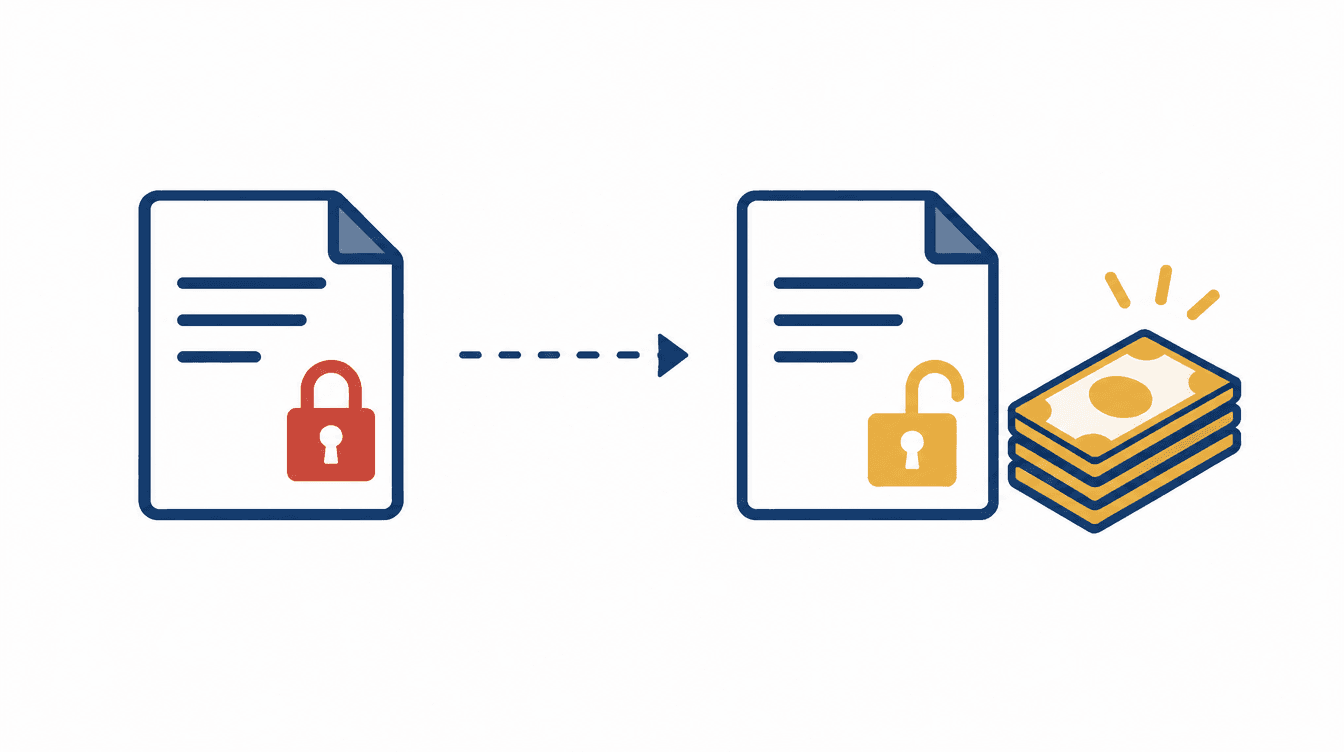
What does it actually mean for a tax credit to be "transferable"?
A transferable credit is one the taxpayer who earned it can sell, in whole or in part, to an unrelated third party for cash the buyer then claims the credit on their own return instead of the seller claiming it. The IRS describes transferability as an option for "entities that can't use elective pay but do qualify for an eligible tax credit" to "transfer all or a portion of the credit to a third-party buyer in exchange for cash."
That distinction matters: transferability exists specifically for taxpayers who don't qualify for elective pay (the option reserved for tax-exempt and governmental entities). A private developer or corporation uses transferability, not elective pay.

Which tax credits are actually transferable under Section 6418?
Eleven categories of federal tax credit are currently eligible for transfer, spanning production credits, investment credits, and manufacturing credits. According to Baker Tilly's analysis of the final Section 6418 regulations, eligible credits include those under Sections 45, 45Q, 45V, 45X, and 48, among others, with "eligible credit property" defined as the specific unit of property from which the credit amount is derived.
Credit section | What it covers |
|---|---|
Section 45 / 45Y | Production tax credit (renewable electricity) |
Section 45Q | Carbon capture |
Section 45V | Clean hydrogen production |
Section 45X | Advanced manufacturing |
Section 45Z | Clean fuel production |
Section 48/48E |
Partial transfers are explicitly allowed the same Baker Tilly analysis notes taxpayers can transfer "any proportionate share, including the entirety, of an eligible credit," and can make multiple separate transfer elections within a single tax year rather than being limited to one buyer.

Who can transfer a credit, and who can buy one?
Any taxpayer that earns an eligible credit but doesn't have enough tax liability to use it can transfer that credit to an unrelated buyer with tax liability to offset the two sides just can't be related parties. The buyer pays cash and steps into the seller's position for that credit on their own tax return.
A solar developer earning a credit well beyond what its own tax bill can absorb might transfer that credit to an unrelated corporate buyer seeking tax liability offset, receiving cash in exchange rather than carrying the credit forward. This is a generic illustration of how the mechanism works, not a real transaction, and no specific pricing is implied.
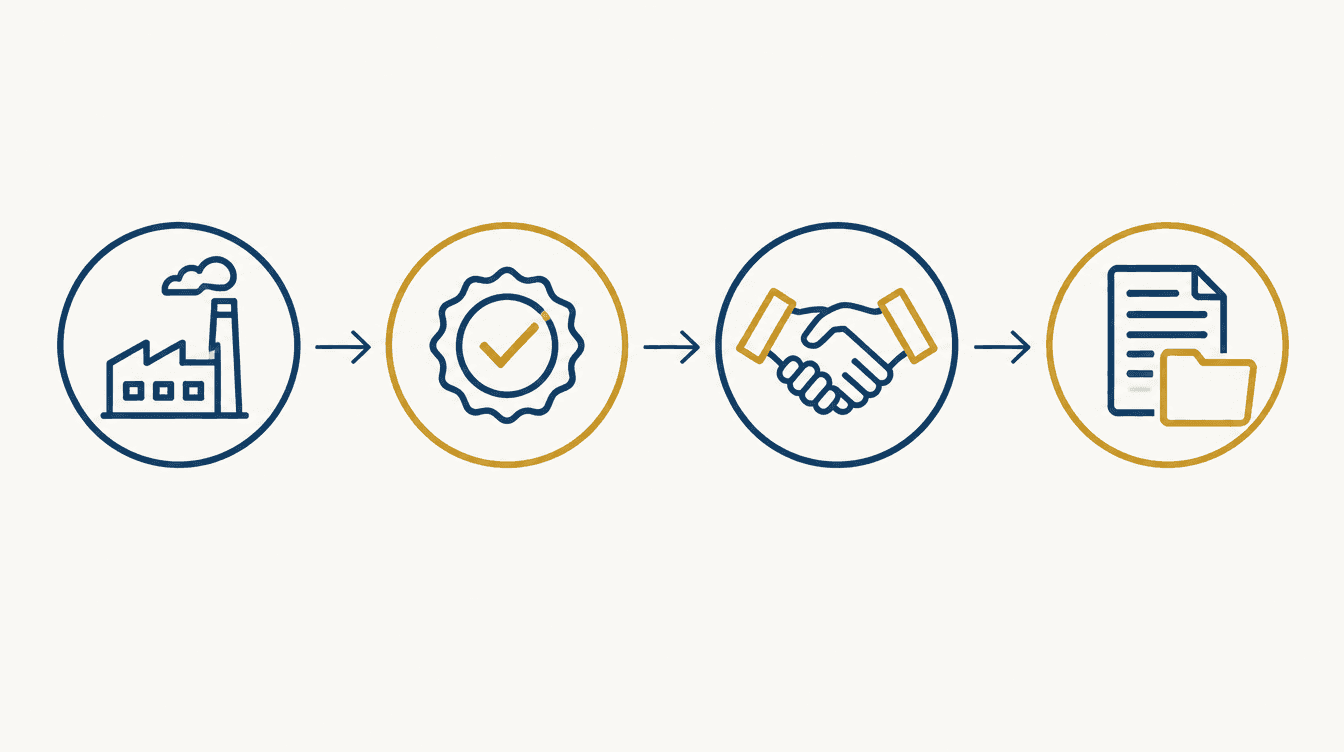
How does the transfer process actually work?
Before any transfer can happen, the seller has to register the specific credit-generating property with the IRS and get a registration number, which then goes on both parties' tax returns. The IRS's own registration guidance lays out the sequence: register "after placing an investment property or production facility in service, but no earlier than the beginning of the tax period when you earn the credit," and do it "at least 120 days before the due date (including extensions) for the return where you report the credits."
Step | What happens |
|---|---|
1. Place property in service | The credit-generating asset (e.g., a solar array or fuel cell) becomes operational |
2. Register with the IRS | Seller registers the specific property through the Energy Credits Online portal and receives a registration number |
3. Negotiate and transfer | Seller and buyer agree on the credit and cash terms; both file transfer election statements |
4. File tax returns | Registration number appears on both parties' returns; buyer claims the credit |
How is the cash payment treated for tax purposes?
The cash a seller receives for a transferred credit is generally tax-free income, though that treatment doesn't extend to credits generated through what the rules call an "excessive credit transfer." Novogradac's analysis of the final regulations confirms that "cash consideration paid from transferee to transferor in a tax credit transfer is tax-exempt," while flagging that "income directly related to an excessive credit transfer is no longer excluded from taxation" meaning a seller who overstates a credit's value takes on real tax exposure, not just a documentation problem.
Payment has to be cash the regulations use the term "cash consideration" specifically, not property or other value in kind.
Did the One Big Beautiful Bill Act change how transferability works?
No OBBBA left the transfer mechanism itself intact and only added a new restriction on who's allowed to buy certain credits. According to an analysis of Section 6418 under OBBBA, the law added a rule that "a taxpayer may not transfer a credit under Section 45Q, 45U, 45X, 45Y, 45Z, or 48E to a Specified Foreign Entity" tied to China, Russia, North Korea, or Iran but "did not repeal Section 6418" and "did not reduce the number of credits that can be transferred." Section 45V clean hydrogen credits notably fall outside that new restriction entirely.
Can a buyer resell a tax credit they've already purchased?
There's no published IRS guidance yet on whether a transferee can resell or re-transfer a credit to someone else it's an open question, not a settled "no." The IRS's own transferability FAQ covers the mechanics of the original transfer in detail but doesn't address a secondary resale market. Until that's clarified, buyers should assume the credit they purchase is the one they'll hold and claim, not one they can flip to a third party.
If you're weighing whether to transfer a credit yourself whether it's 45V, 48E, or another eligible type Cenet Capital works with developers on both a direct and correspondent basis to structure and place transfers, at competitive pricing.
Registered your credit. Now you need a buyer.
Section 6418 makes the credit sellable it doesn't find you the counterparty, price the deal, or handle the paperwork on the other side. Cenet Capital works with developers on both a direct and correspondent basis to structure and place transfers across 45V, 48E, 45Z, and the rest of the eligible categories, at competitive pricing.

More Insights